Test Results Give Downtown Water System All Clear
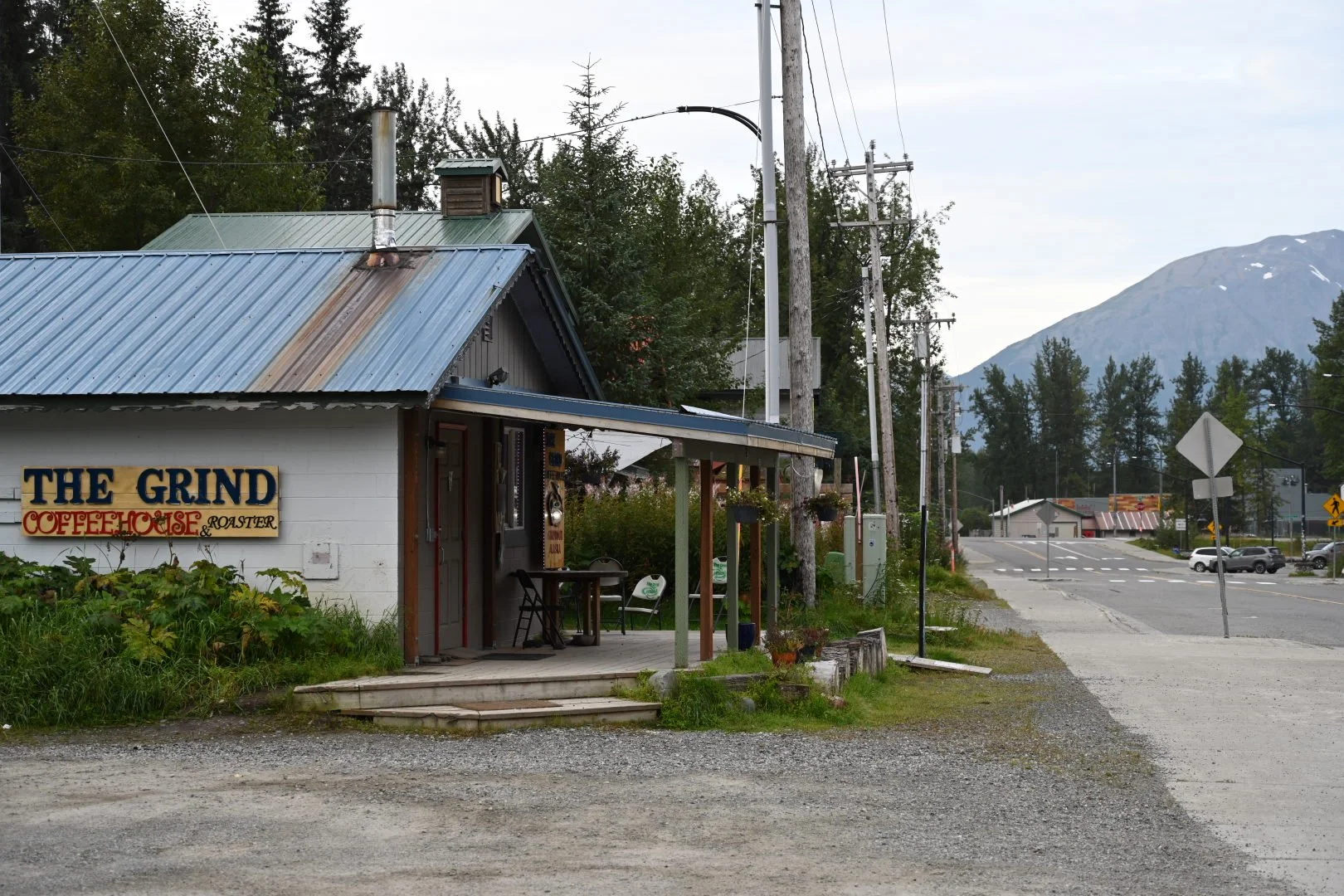
Some of the businesses adversely impacted by the ‘boil water’ safety notice in downtown Girdwood. (Photo by Soren Wuerth)
Well Remains Reliable Despite SetBacks, Say Regulators
By Soren Wuerth
TNews Editor
When notices appeared on doors in downtown Girdwood last week cautioning users to boil their water for sanitation, some worried about the dependability and safety of water from a 61-year-old well system run by a cooperative.
It was the same water system, after all, that froze last winter forcing residents of Skiview Condos to rely on a hose from a nearby restaurant for water.
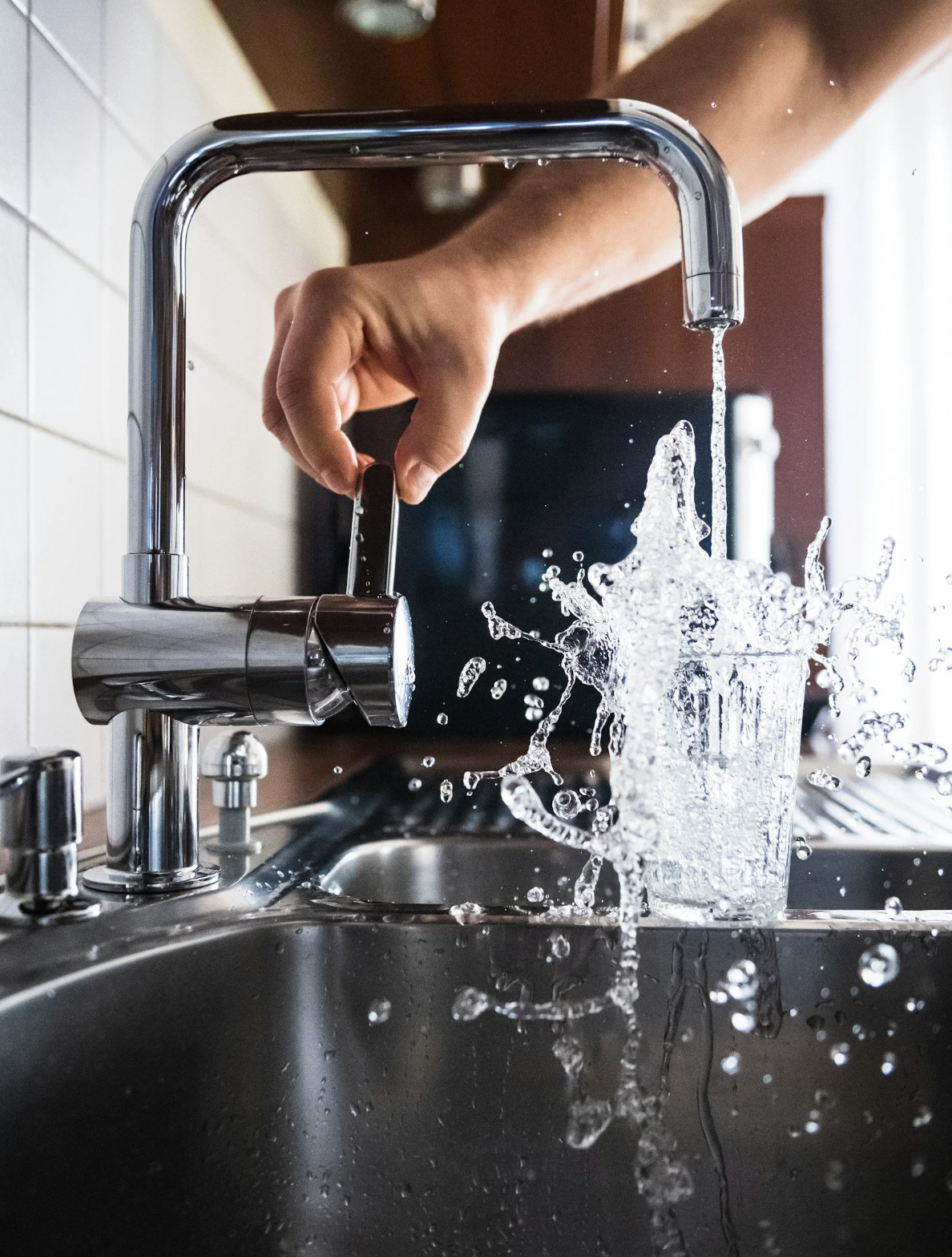
(File Photo)
But longtime operators, users and regulators of a well system that connects 40 homes and shops to water say the affordable system is remarkably clean and reliable.
"I drink it all the time. I think it's great," said Chris Gilbert who has helped manage the system for "too long" as a volunteer. Indeed, since the water that comes from the well is unchlorinated and doesn't contain fluoride, it's become something of a commodity.
"I have had people coming to my house for years for [the well] water," Gilbert said.
The Alaska Department of Environmental Conservation posted notices last week when one of three water quality samples detected e-coli, a type of bacteria that can cause gastro-intenstinal infections. The samples were taken after a loss of pressure in the well system following a power outage, according to Cindy Christian, the Drinking Water Program manager for the DEC.
After new water samples showed clean results, water notices were lifted Tuesday and the boil water notice was rescinded, Christian said. A contractor flushed chlorine through the system and another round of testing will need to be conducted.
"We've not had any issues with [the well] water in the past," Christian said, adding that a sample was likely taken from a "hose bib"—the spigot where a garden hose might be attached—possibly near the ground.
Boil water notices are posted "out of an abundance of caution," she said.
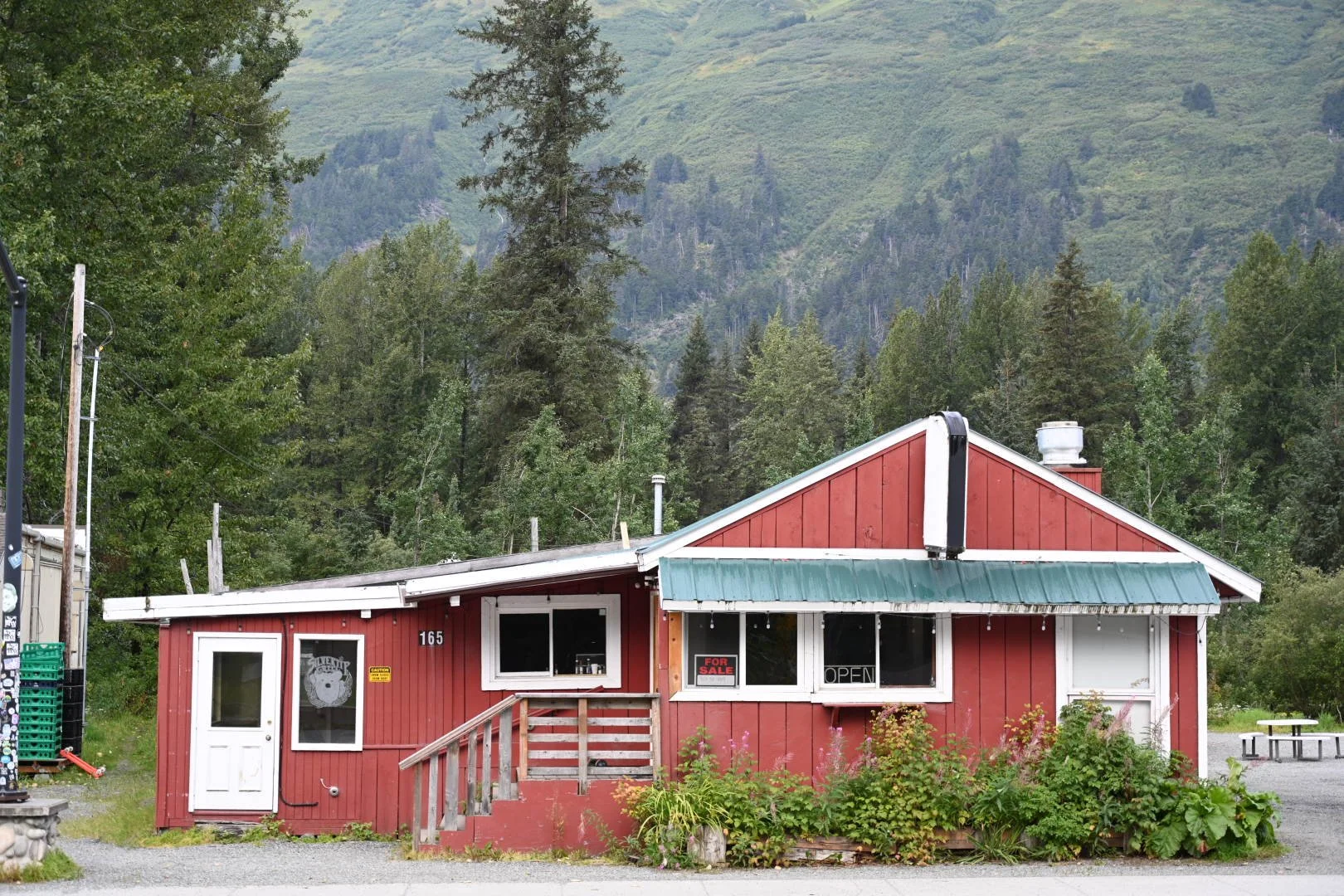
Now-closed Hightower Pub are linked to a main pipe that runs down Hightower Rd. (Photo by Soren Wuerth)
A "Sky is Falling" Concern
For a well built in 1965, water quality and output has proven consistently safe and reliable, overseers said, and so long wells and pipes are maintained, they can remain functional.
The water supply is different from the Anchorage Water and Wastewater Utilities' service which has piping in the same area and serves various establishments. The Turnagain Arm Health Clinic, for example, connected to AWWU years ago.
Yet, the downtown well hasn't had a positive sample in at least five years, said Christian, whose department oversees 1,323 public water systems, 80 percent which are served by wells.
Northern Utility Services, a company contracted by the coop to maintain the well system, has taken "hundreds" of water samples over 30 years, said owner Dave Kranich, all without incident.
Kranich said though a drop in pressure can lead to a "sky is falling" concern, "the bottom line is we can be fairly confident, as close to a guarantee," the system has integrity, "when everything is as it's supposed to be."
Last year, his company had to repair a pipe break in a service line to the 11-unit Skiview Condominiums, he said.
"The water system won't last forever," Kranich said. "But it's always hard to know [what needs to be fixed] unless you dig up the whole pipe."
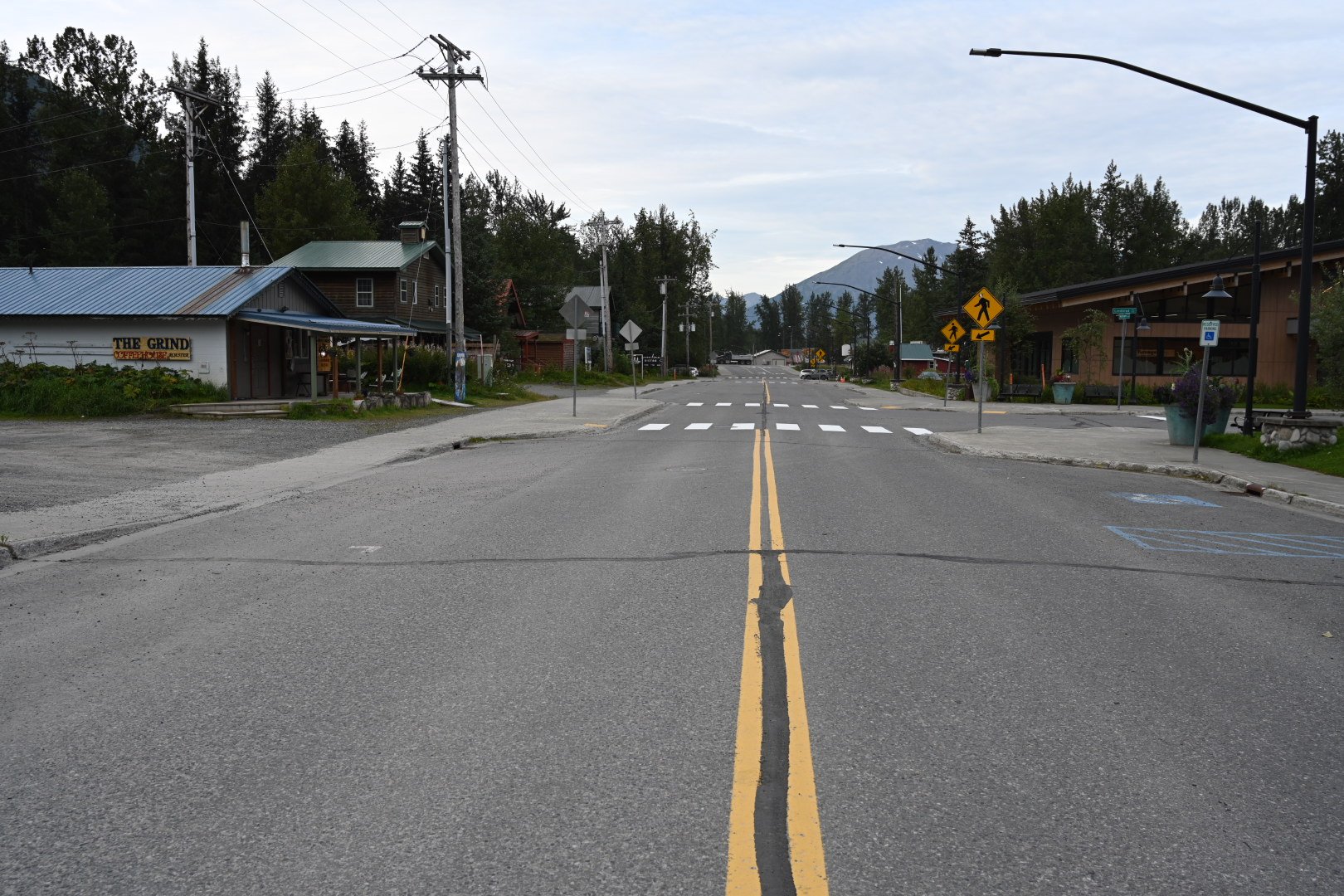
Residents along Hightower Road were also adversely impacted by the ‘boil water’ safety notice in downtown Girdwood. (Photo by Soren Wuerth)
Last Winter's Deep Freeze
For a couple months this past winter, a hose connected water from Spoonline Restaurant to the Skiview Condos.
Water lines from Skiview and the now-closed Hightower Pub are linked to a main pipe that runs down Hightower Rd. Water lines froze near the buildings in a deep frost that also affected hundreds of water pipes across Southcentral Alaska in what utility managers called a "prolonged natural disaster".
Kranich said it was difficult to ascertain whether "service" lines or the main line froze, but he suspected that cold air from storm drains below may have led to freezing. The main water line froze one other time, a decade ago, he said, but his crew was able to thaw it out.
Since they have to pay sewage costs, tenants in Skiview may be reluctant to continuously run water during cold snaps, Kranich said, a necessary precaution against freezing pipes.
"A Rock and Hard Spot"
Recently, the coop, Glacier Valley Water Company, has had to raise its rates from $35 to $70 per month to cover expenses by Northern Utility Service, according to Carol Wiggin, who does bookkeeping for the cooperative.
Besides Skiview condos and the former Hightower Pub, the well system brings water to 15 trailers, and The Grind cafe.
"[Coop members] are between a rock and hard spot," Wiggin said. "The cost [to hook up to AWWU] is atrocious."
Switching water supply to AWWU would require customers to pay all costs from the main line to their home or business, said AWWU spokesperson Sandy Barker, and would depend on distance, material costs and other factors.
The monthly residential water bill for AWWU customers is a flat rate of $68 per month.
Yet, even with the maintenance and upkeep costs, coop members are "getting a really good deal," Northern Utility's Kranich said.
As for now, the well system is delivering clean water.
"It seems to keep running all the time and it's been very good to us," coop member Gilbert said.
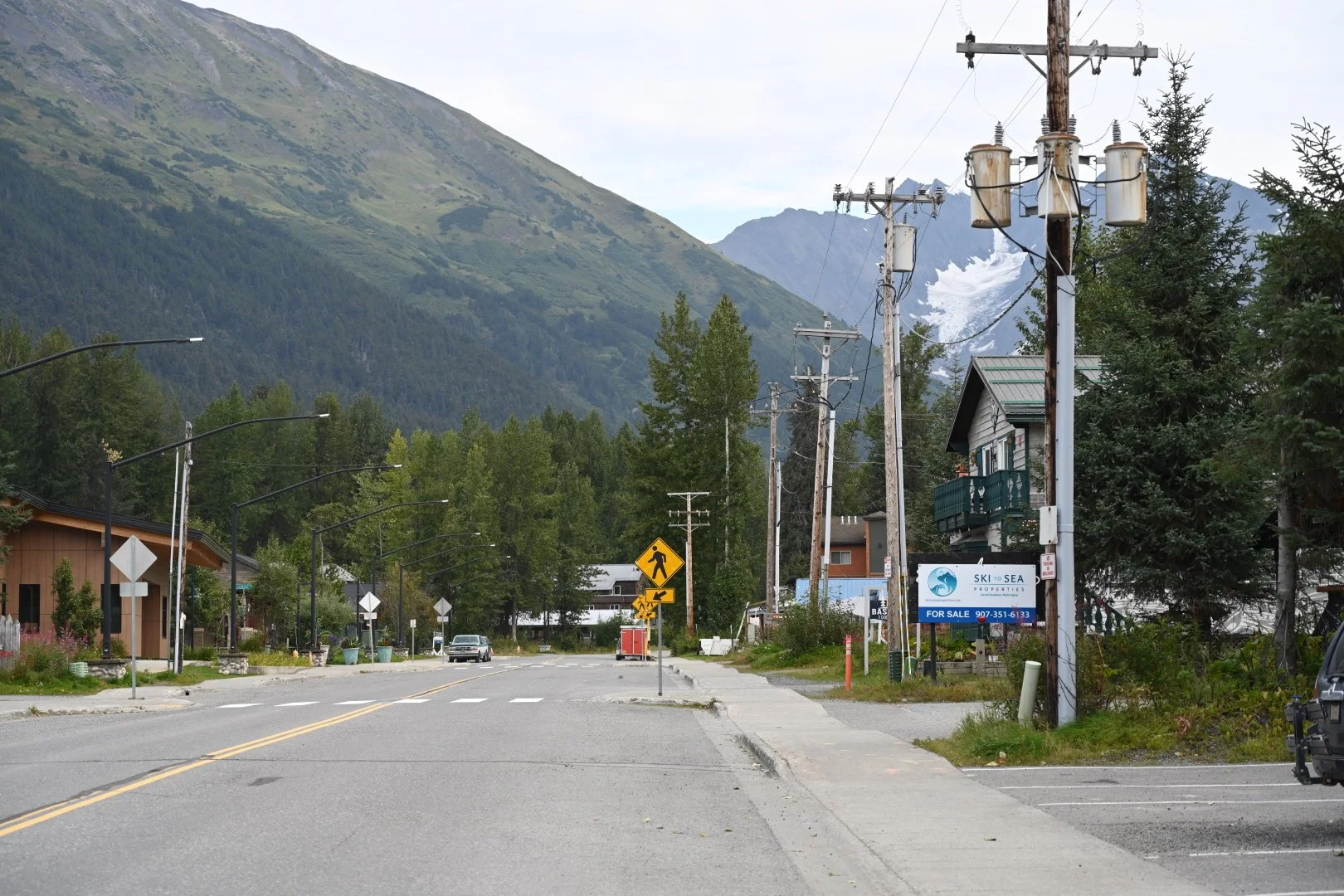
The well system is delivering clean water, according to AWWU. (Photo by Soren Wuerth)